
Summary: E-commerce fulfillment warehouses help D2C brands manage orders, storage, packing, and shipping in a smooth system. The blog explains how these warehouses reduce errors, improve stock control, support multi-channel sales, and lower costs. It also shows how technology and structured workflows help brands scale faster while maintaining order accuracy, customer trust, and stable delivery performance.
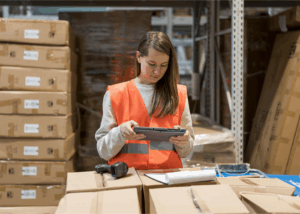
An e-commerce fulfillment warehouse in Minneapolis helps D2C brands manage daily orders without delays or confusion. These warehouses receive products, store them safely, and prepare them for delivery in a smooth flow. Every order is checked before packing, which reduces mistakes and improves customer trust. D2C brands need speed, and this setup helps them handle large order volumes without pressure on their internal team. It also helps reduce last-minute rush because orders are processed step by step in a fixed system. This makes delivery times more stable and keeps customers happy with clear and timely shipping updates. Over time, this builds stronger brand trust and repeat buying.
Smart Storage That Keeps Products Easy to Find
A major reason brands depend on an e-commerce fulfillment warehouse in Minneapolis is clear and simple storage. Products are placed in mapped locations so staff can pick items quickly. This system avoids mix-ups and saves time during busy order periods. Even a small delay in finding a product can slow the entire process, so structured storage plays a key role in keeping operations steady and controlled. Labels, zones, and barcode systems help workers locate items without confusion. This also reduces walking time inside the warehouse and speeds up order flow from shelf to shipment.
Faster Packing with Fewer Errors
Packing accuracy matters for customer satisfaction. Fulfillment teams follow clear steps to ensure correct product selection, proper labeling, and safe packaging. Each item goes through a check before leaving the warehouse. This reduces returns and wrong shipments. For D2C brands, fewer errors mean lower costs and better customer feedback, which supports long-term growth in a competitive market. Small mistakes in packing can affect customer trust, so careful handling at this stage plays a very important role in brand reputation.
Smooth Shipping Across Multiple Channels
Modern brands sell on different platforms at the same time. A fulfillment warehouse connects all these sales channels into one system. Orders from each platform are processed in a single flow. This avoids confusion and keeps shipping schedules on track. Real-time tracking also helps brands see what is moving out and what is still in stock, which supports better planning. It also removes the need for manual order sorting, which often leads to delays. With one system handling all orders, shipping becomes more organized and predictable.
Better Control Over Stock Levels
Inventory control is another key strength of an e-commerce fulfillment warehouse in Minneapolis. Brands can track what products are available and what needs restocking. This prevents overstocking or running out of popular items. Clear stock visibility also helps in planning sales campaigns and avoiding lost orders due to unavailable products. It also helps brands understand buying patterns so they can prepare better for demand changes. This level of control supports smoother operations and fewer interruptions in supply flow.
Cost Savings Through Shared Systems
Running a full warehouse setup in-house can be expensive for D2C brands. Fulfillment warehouses already have trained staff, systems, and storage space in place. This shared setup reduces operating costs and allows brands to focus on product development and marketing instead of warehouse handling tasks. It also reduces the need for extra equipment, training, and maintenance, which lowers financial pressure on growing businesses.
Growth Support for Expanding Brands
As order volume grows, internal handling becomes harder. Fulfillment warehouses adjust easily to higher demand. They can handle sudden spikes in orders during sales periods without breaking the flow. This flexibility helps brands expand without worrying about storage limits or staffing issues. It also gives businesses confidence to scale into new markets since operations remain stable even during high-demand phases.
Technology That Keeps Everything Connected
Modern fulfillment systems use software to track every order from entry to delivery. This reduces manual work and improves accuracy. Brands can see order status, stock levels, and shipment updates in real time. This clear visibility helps decision-making and reduces confusion across teams. Automation also reduces human error and speeds up reporting, which supports better planning and faster response to changes in demand.
In Ending:
E-commerce brands depend on structured warehouse systems to manage fast order movement, reduce errors, and support steady growth. A well-planned setup improves storage, packing, and delivery flow while keeping operations simple and controlled.
Our team at MTL Companies focuses on a reliable e-commerce fulfillment warehouse in Minneapolis that supports D2C brands to scale with confidence. With strong systems and clear processes, we also support efficient commercial warehousing in Rogers, MN, and smooth distribution through food logistics and warehouse services designed for real business needs.
FAQs:
1. What is an e-commerce fulfillment warehouse used for?
It stores products, processes orders, packs items, and manages shipping for online brands to ensure fast and accurate delivery to customers.
2. How do fulfillment warehouses improve order accuracy?
They use tracking systems, checks, and structured picking methods that reduce mistakes during packing and ensure correct items reach customers.
3. Can fulfillment warehouses handle multiple sales channels?
Yes, they connect all sales platforms into one system, so orders are managed together without confusion or delays in processing.
4. Why do D2C brands depend on fulfillment services?
D2C brands use them to save time, reduce costs, handle large order volumes, and maintain smooth customer delivery operations.
5. Do fulfillment warehouses help with inventory control?
Yes, they track stock levels in real time, helping brands avoid shortages or overstock situations and plan better for demand.