Managing inventory well is very important for food and beverage businesses. A reliable food and beverage storage company keeps products safe, tracks them accurately, and ships them on time. Good inventory management stops food from going bad, reduces waste, and ensures products are always fresh. By organizing storage smartly, using real-time tracking, and keeping workflows simple, businesses can handle more orders, satisfy customers, and grow without problems. Strong inventory practices also make the whole supply chain more reliable.
Smart Storage Layouts for Easy Access
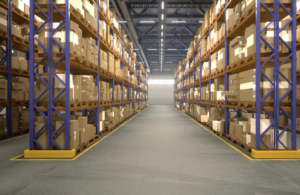
How products are arranged in a warehouse affects how fast staff can work. Popular items are stored near packing areas, while slower-moving items go to other sections.
Clear labels, color codes, and easy paths help workers find items quickly. This saves time, reduces mistakes, and keeps operations running smoothly. Proper arrangement also supports tracking systems, making it easy to see what’s in stock and when to restock.
For example, storing beverages in racks near the packing station allows workers to prepare orders faster, reducing delivery delays. Similarly, grouping perishable foods by type or expiration date prevents confusion and ensures older stock is shipped first. These small adjustments improve overall efficiency and reduce human errors.
Real-Time Tracking for Better Accuracy
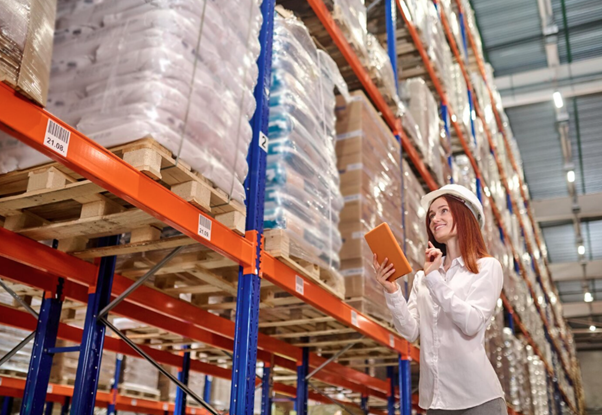
Manual tracking can cause mistakes and delays. Modern storage companies use software to keep track of inventory in real time. This shows exactly how many items are available, their expiration dates, and how fast they move.
Alerts can notify managers when items are low or about to expire. This prevents waste, keeps products fresh, and ensures orders are ready for shipment. Accurate tracking also builds customer trust because orders are always correct and on time.
Real-time tracking also allows businesses to analyze product trends. For example, if a particular beverage is selling faster during the summer months, managers can prepare more stock in advance, avoiding last-minute shortages and keeping shelves well-stocked for customers.
Faster and Accurate Picking and Packing
Picking and packing products efficiently keeps inventory accurate and speeds up shipping. Staff follow simple steps and use scanners to check products. Some warehouses use batch picking to prepare multiple orders at once, which saves time.
Proper packing protects products during shipping, reduces damage, and prevents returns. Smooth workflows also make employees’ work easier and faster.
In addition, using organized picking paths and packing stations reduces unnecessary walking and movement in the warehouse. This simple improvement can save hours of labor weekly and ensure that more orders are processed correctly in less time.
Proper Conditions Keep Products Safe
Temperature and storage conditions are very important for food and drinks. Refrigerated, frozen, or dry goods need different storage areas to stay safe and fresh.
Monitoring these areas stops food from spoiling, follows safety rules, and protects the business’s reputation. Customers get fresh products every time.
For instance, dairy products stored at the wrong temperature can spoil quickly. Using temperature-controlled zones and automated monitoring ensures every product stays within safe limits. This not only protects customers but also reduces costly losses for the business.
Using Data to Make Smart Choices
Data from the warehouse shows which products sell fast, which move together, and when more stock is needed. Managers can use this to make better decisions about storage and orders.
Storing popular items close together reduces time spent picking orders. Planning stock using past trends ensures enough supply during busy times. Using data makes operations faster, safer, and less wasteful.
Data also helps in planning for future demand. If an item consistently sells more on weekends or during specific events, managers can schedule extra stock and staff accordingly. This proactive approach ensures smooth operations and keeps customers happy.
Flexibility for Changing Needs
Business needs can change quickly. Storage companies offer flexible solutions like extra space, movable shelves, and easy workflows.
This helps businesses handle more orders or seasonal spikes without slowing down. Flexible storage keeps operations running smoothly even when demand changes.
For example, during holidays, a food and beverage business may experience higher order volumes. Flexible warehouse layouts and scalable staffing ensure that these spikes do not disrupt operations, helping businesses meet customer expectations consistently.
Save Money Without Losing Quality
Outsourcing storage can reduce costs for staff, facilities, and equipment. Professional storage providers make processes faster, prevent waste, and cut extra spending.
Businesses get better efficiency and keep high-quality products while focusing on growth instead of storage management.
Using a professional storage company also avoids the cost of managing multiple warehouses or hiring temporary staff during peak times. This cost-effective approach allows businesses to invest more in expanding their products or improving customer service.
Closing Note:
At MTL Companies, our food and beverage warehouse solutions help businesses improve inventory management, keep products safe, and operate efficiently. With smart storage layouts, real-time tracking, accurate picking and packing, proper temperature control, data-driven insights, and flexible solutions, we make sure your supply chain works without problems.
Partnering with us helps you reduce waste, save money, and deliver fresh products to customers every time. Trust MTL Companies to manage your food and beverage inventory professionally, giving your business the support it needs to grow confidently.
Contact us today to simplify your inventory, protect your products, and boost operational efficiency.
FAQs:
Q1: Why is proper inventory management important for food and beverage businesses?
It prevents spoilage, reduces waste, and ensures products are always fresh for customers.
Q2: How does warehouse layout affect inventory efficiency?
Organized storage and easy access reduce picking time, minimize errors, and improve order fulfillment.
Q3: What role does technology play in inventory management?
Real-time tracking and alerts help monitor stock, prevent shortages, and maintain product quality.
Q4: How can flexible storage solutions help during high-demand periods?
They allow businesses to handle spikes efficiently without overstocking or slowing down operations.
Q5: How do professional storage companies save costs for businesses?
Outsourcing reduces labor, facility, and equipment expenses while maintaining high-quality standards.