Warehousing isn’t just about keeping things in a building. It’s about keeping products safe, stopping damage, and helping your business run better. Warehousing in the Twin Cities ensures that products are stored carefully, workers can move around safely, and customers get their items in perfect condition. Warehouses play a big role in making sure products reach people without being broken. From shelves to technology, every step is planned to prevent mistakes. Let’s look at how warehouses do this.
Strong Shelves Keep Products Safe
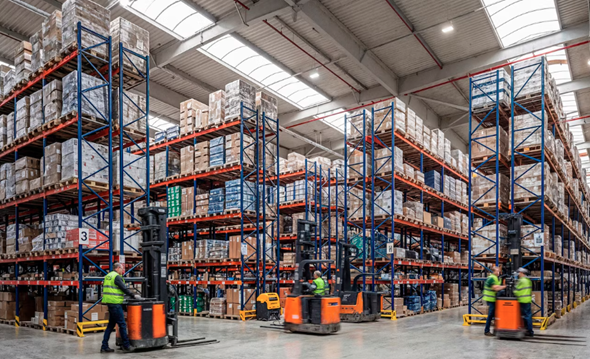
Where and how you put products matter. Using strong shelves and bins keeps items from falling or breaking. Heavy things go on the bottom, and fragile items go on top.
For example, a warehouse storing glass jars will never put them under heavy boxes. Instead, jars are placed in their own sections with padding to stop them from bumping into each other. This simple step can save thousands of dollars in damage each year.
Strong shelves also make it easier for workers to move around. When things are stacked properly, staff don’t have to climb or stretch dangerously, which keeps everyone safe.
Teaching Staff Makes Work Safer
Even with the best warehouse equipment, staff need to know the right way to handle products. Training shows workers how to lift, pack, and move items without dropping or breaking them.
Staff learn simple rules like bending knees when lifting, carrying one box at a time for fragile items, and using machines correctly. This reduces mistakes and keeps products safe for customers.
Well-trained staff can spot potential hazards early. For example, a worker might notice a box starting to tilt on a shelf and move it before it falls.
Safety Tools Protect People and Products
Warehouses use safety tools to prevent accidents. Cameras, alarms, and special machines help workers avoid mistakes. Forklifts, conveyor belts, and pallet jacks are designed with safety in mind to stop products from being damaged.
For instance, sensors on forklifts prevent collisions with shelves or boxes. Safety signs and marked pathways keep workers from walking into areas where heavy equipment is operating.
These small tools help prevent injuries and make sure products stay in perfect condition.
Right Temperature Keeps Items Fresh
Some products, like food, drinks, medicines, or electronics, need the right temperature. Warehouses control heat and humidity so items stay fresh and don’t break.
For example, chocolate or cheese must stay cool to avoid melting. Medicines need precise temperatures to remain effective. Electronics are stored in dry conditions to stop moisture from damaging circuits.
Keeping the warehouse at the right conditions helps products last longer and reach customers in perfect condition.
Checking Products Stops Problems Early
Regular checks help find problems before they get bigger. Staff inspect boxes for damage, check shelves for stability, and make sure items are in the right place.
For example, if a box has a small tear, staff can move it to a safer spot or repackage it. This simple step stops bigger damage and ensures customers always get products in perfect condition.
Checking products also includes verifying expiration dates for food or medicines. This guarantees that nothing spoiled reaches customers.
Technology Tracks Every Item
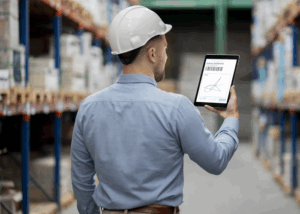
Using scanners, barcodes, and computer systems helps know where every product is at all times. This stops items from getting lost and makes picking and shipping faster.
Technology also alerts staff if a product is damaged or misplaced. For example, a barcode scan can show if a box was dropped or opened, so staff can fix the problem before shipping.
This makes warehouses safer for staff and prevents customers from receiving broken products.
Smart Layouts Prevent Accidents
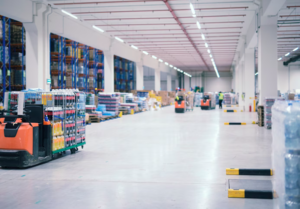
A good warehouse design avoids accidents and makes it easier to move products. Clear paths, proper stacking, and special loading zones keep workers safe and products secure.
For example, storing heavy items in one area and fragile items in another prevents accidental bumps. Wide aisles allow forklifts move easily without hitting boxes.
An organized layout also reduces time spent searching for items. Staff can pick products faster and more safely, improving both efficiency and safety.
Packaging That Protects Products
Good packaging is very important. Using the right boxes, bubble wrap, or padding keeps products from breaking. Fragile items like glass, electronics, or food need extra care.
For example, jars of sauce can be packed in individual boxes with padding to avoid breaking. Electronics are often wrapped in foam or anti-static bags to prevent damage.
Proper packaging also protects products during shipping. Even if a truck bumps on the road, the packaging ensures items arrive intact.
In Closing:
At MTL Companies, we use organized layouts, trained staff, safety tools, and technology to keep your products safe. As one of the top warehousing companies, we make sure your items aren’t damaged, and your business runs smoothly.
We take care of every step so you can focus on growing your business. From strong shelves to smart technology, we handle every detail. Contact MTL Companies today to keep your products safe, reduce damage, and improve your business operations.
FAQs:
How does warehousing prevent product damage?
Warehouses use strong shelving, careful stacking, and proper packaging to keep products safe and intact.
Why is staff training important in a warehouse?
Trained staff handle products carefully, follow safety rules, and reduce accidents that could damage goods.
What role does technology play in product safety?
Barcodes, scanners, and inventory systems track products, prevent loss, and alert staff to potential damage.
How do temperature controls help in warehousing?
Maintaining the right temperature keeps perishable items fresh and prevents electronics or medicines from spoiling.
How can proper warehouse layout improve safety?
Organized paths and storage areas reduce accidents, make product handling easier, and protect items during movement.