Fast and accurate order processing is critical for any business that wants satisfied customers. Commercial warehouse solutions help organize products, track inventory, and speed up shipments. By using smart systems and clear processes, warehouses reduce errors, deliver orders faster, and keep operations running smoothly. Customers expect quick delivery, and businesses cannot afford delays. A well-structured warehouse ensures orders are picked, packed, and shipped efficiently, keeping both clients and end customers happy. With the right solutions, businesses can scale efficiently without increasing costs or errors.
Smart Inventory Layouts Save Time and Reduce Mistakes
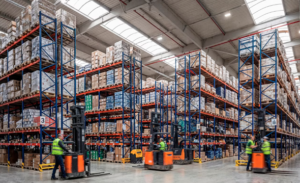
A well-organized warehouse places popular products in easy-to-reach areas. Clear labels, bins, and shelves help workers find items quickly. This saves time, reduces errors, and allows businesses to handle more orders without hiring extra staff. Grouping products by category, size, or demand frequency ensures employees spend less time searching for items. Even seasonal or promotional products can be stored strategically for faster access, improving overall operational efficiency. Advanced layout designs also allow for faster restocking and better utilization of warehouse space, ensuring that even large inventories remain manageable.
Technology Helps Workflow
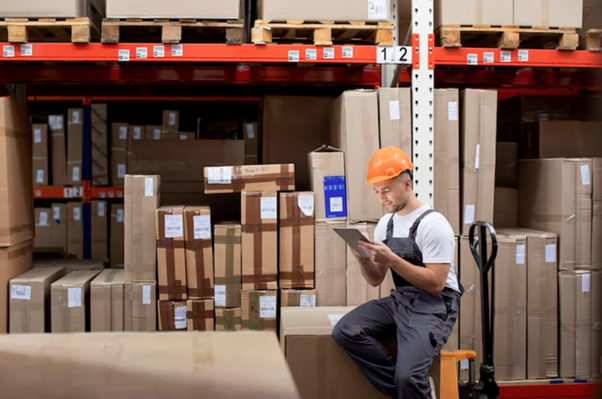
Tools like barcode scanners, automated picking systems, and inventory software track products in real-time. This lowers mistakes and helps employees focus on important tasks. Automation also speeds up packing and shipping while keeping them reliable. Advanced warehouse management systems (WMS) allow managers to monitor every stage of order processing, from receiving products to final dispatch. Technology also alerts staff when stock levels are low, preventing delays and keeping customers informed. Integration with order platforms enables automatic order routing, reducing human intervention and minimizing errors while handling complex workflows efficiently.
Smooth Receiving and Return Process
Handling new shipments and returns carefully keeps orders on track. Warehouses with clear receiving zones and structured checking processes make sure products are stored properly. Returns are processed quickly, keeping inventory accurate and customers satisfied. Dedicated areas for inspecting, sorting, and storing returned items avoid confusion and stock issues. A streamlined returns process also lets businesses restock items or issue refunds quickly, enhancing customer trust. Additionally, proper documentation during receiving and returns reduces discrepancies in inventory, preventing costly mistakes and supporting audit compliance.
Keeping Inventory and Sales in Sync
Connecting warehouse systems with sales platforms shows real-time stock levels. This prevents selling products that are out of stock and keeps customers updated. Accurate inventory data ensures businesses can plan promotions, restock popular items, and avoid overselling. Synchronizing warehouse operations with online and offline sales channels creates transparency and allows employees to manage multiple orders efficiently without mistakes. This also helps in forecasting demand more accurately, allowing companies to optimize stock levels and reduce storage costs without affecting service quality.
Using Data to Make Better Decisions
Warehouse software collects information about orders, inventory, and shipping times. Companies can use this data to plan better, stock the right products, and save time. Making decisions based on data helps businesses work efficiently and grow smoothly. Managers can analyze trends, identify slow-moving products, and adjust workflows to improve productivity. Data also helps anticipate seasonal demand, optimize labor, and ensure resources are used effectively. Predictive analytics can identify potential bottlenecks and suggest improvements, ensuring continuous improvement in warehouse performance.
Flexible Warehouses for Growing Businesses
Warehouses need to handle more orders during busy periods or as a business grows. Commercial warehouse solutions can expand storage, adjust workflows, and add extra space when needed. This flexibility helps businesses manage growth without slowing down or making mistakes. Temporary storage, modular shelving, and scalable automation tools allow warehouses to adapt quickly to changes in order volume. Flexibility ensures businesses can meet customer demand without compromising accuracy or delivery timelines. Flexible solutions also allow companies to test new products or SKUs without overhauling the existing warehouse setup.
Enhanced Communication and Coordination
Smooth communication within warehouse teams is essential for fast order processing. Clear instructions, team coordination, and timely updates reduce errors and delays. Modern warehouses use communication tools and software to assign tasks, track progress, and notify employees about priority orders. This approach ensures all steps, from picking to packing and shipping, are handled efficiently. Improved communication also helps managers identify bottlenecks, fix problems early, and maintain consistent service quality. Real-time messaging and dashboards keep employees informed, minimizing misunderstandings and ensuring that urgent orders are prioritized correctly.
In Closing:
Fast and accurate order processing keeps customers happy and business running smoothly. Commercial warehouse solutions improve picking, packing, returns, and inventory management. At MTL Companies, our team provides tailored solutions to make warehouses more efficient, reduce errors, and ensure orders are shipped on time. Our expertise in managing workflows, implementing smart layouts, and integrating advanced technology allows businesses to focus on growth while we handle logistics. Partnering with us guarantees reliable support, better coordination, and smarter warehouse operations, helping your brand succeed with nationwide 3PL services.
Contact MTL Companies today to streamline your warehouse operations, reduce errors, and improve order processing efficiency.
FAQs:
1. What are commercial warehouse solutions?
Commercial warehouse solutions are systems and processes that improve storage, picking, packing, and shipping efficiency for businesses.
2. How do warehouse solutions help with order accuracy?
They use organized layouts, technology, and tracking tools to reduce mistakes and ensure customers receive correct orders.
3. Can warehouse solutions handle growing business demand?
Yes, scalable layouts, automation, and flexible workflows allow warehouses to manage increasing orders without delays.
4. How does technology improve warehouse operations?
Inventory software, barcode scanners, and automated systems speed up processing, track stock, and reduce errors.
5. Why is data important for warehouse management?
Data helps managers forecast demand, identify bottlenecks, optimize stock, and make informed decisions efficiently.