
Peak season brings lots of orders, tight deadlines, and customers who want fast delivery. A Twin Cities logistics distribution company must be ready to handle the rush. Modern logistics companies use careful planning, smart tools, and flexible teams to keep goods moving smoothly and on time.
Handling peak season isn’t just about working faster. It’s about organizing people, products, and technology so that every order reaches the right place quickly and safely. During busy times, even small mistakes can slow down operations. That is why careful planning and smart systems are so important.
Planning Ahead for Busy Times
Good logistics companies start preparing early for peak season.
They check past sales to see which products sell fast and which might run out. This helps them stock the right items, plan staff schedules, and get delivery trucks ready. Planning ahead stops problems before they happen and keeps orders moving without delays.
For example, if toys sell a lot during holidays, the company makes sure the warehouse has enough stock. They also know which routes trucks need to take to reach stores and customers on time. Planning early gives everyone in the team time to prepare and prevents last-minute stress.
Extra Hands and Flexible Shifts
More orders need more workers.
Companies hire temporary staff or give workers extra shifts. Everyone is trained to follow the right steps. Flexible staffing keeps the warehouse running smoothly and prevents mistakes, even when things get very busy.
Staffing plans can change every day. If one warehouse area is overloaded, workers can move to help. Temporary staff also relieve regular employees from too much pressure. This system ensures packages are packed correctly and delivered on time, even during the busiest days of the year.
Tracking Everything in Real Time
Technology is very important during peak season.
Smart software shows where every product is, which items are almost gone, and which orders need to go out first. Alerts tell managers if anything is running low. This helps staff fix problems fast and makes sure customers get their orders on time.
For instance, if a popular snack runs low, the system alerts the team to restock it immediately. Real-time tracking also helps delivery drivers know where to pick up the next package. This makes the whole process faster, smoother, and more reliable.
Organizing the Warehouse Smartly
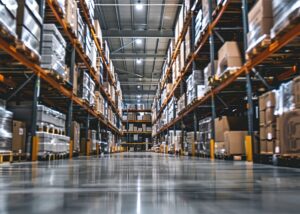
A tidy warehouse makes work easier.
Items are grouped by size, how fast they sell, and how urgent they are. Clear labels and easy-to-find spots help workers pick products quickly. A smart layout prevents delays, reduces mistakes, and keeps everything moving.
During peak season, some products sell faster than others. Smart warehouse organization ensures high-demand items are in easy-to-reach areas. Slow-moving items are kept in separate sections. This keeps workers from wasting time looking for products and speeds up order processing.
Sending Urgent Orders First
Not all orders are equally important.
Companies mark which orders must go out first. Urgent orders are packed and shipped before regular ones. This keeps customers happy and helps businesses manage the rush without delays.
For example, a store needing fresh food for a weekend sale would have its order prioritized over standard shipments. Systems allow staff to see the priority orders at a glance, so urgent items leave the warehouse quickly.
Planning Delivery Routes
Deliveries can be tricky during busy times.
Logistics companies plan the fastest routes and avoid traffic where possible. Trucks are coordinated so they reach customers quickly. This saves time, fuel, and ensures all deliveries happen on schedule.
Advanced route planning software shows the best paths and adjusts routes if traffic or weather slows down deliveries. By organizing deliveries efficiently, companies make sure even the farthest locations receive their orders on time.
Talking and Sharing Updates
Good communication is key.
Warehouse staff, drivers, and managers share updates about orders, delays, and new instructions. This keeps everyone on the same page, reduces mistakes, and makes the warehouse run smoothly even under pressure.
Daily briefings, messages, and dashboard updates keep the team informed. If a truck breaks down or a product is missing, everyone knows immediately. Clear communication prevents confusion and keeps peak season operations moving fast.
Learning from Past Seasons
Looking at past busy seasons helps companies get better.
Reports show which products sell fast, which move slowly, and where problems happen. Managers use this information to adjust stock, staff, and delivery plans for the next busy time. This way, the warehouse runs even more smoothly each year.
For example, if last year a certain snack sold out too quickly, the company will stock more of it in the upcoming peak season. This continuous learning helps reduce errors and improve efficiency year after year.
Flexible Storage Options
Extra space is important when orders grow.
Companies can add temporary storage, move items around, or make more room for fast-selling products. Flexible storage keeps the warehouse organized, saves time, and reduces costs.
During peak season, extra shelves or storage zones can be used to hold popular items. Slower-moving products are stored elsewhere. This way, the warehouse stays neat, workers can move freely, and products are easy to find.
Closing Note:
At MTL Companies, we help your business handle peak season without stress. As your trusted food and beverage storage company, we use smart warehouse planning, real-time tracking, and flexible teams to manage even the busiest times. Our staff makes sure orders move quickly, are packed correctly, and reach customers on time.
Choosing MTL Companies means fewer mistakes, faster deliveries, and happier customers, letting your business grow while we handle the logistics.
Contact MTL Companies today to make your peak season smooth, efficient, and worry-free.
FAQs:
How do logistics companies manage high order volumes during peak season?
We use smart planning, flexible staff, and real-time tracking to ensure every order ships on time.
Why is warehouse organization important for busy periods?
Keeping products organized allows our team to pick and pack orders faster and avoid mistakes.
How does technology help with peak season logistics?
We rely on tracking systems to monitor inventory, prioritize urgent orders, and plan deliveries efficiently.
What role does communication play in managing rush periods?
Our staff and drivers stay updated constantly, reducing errors and keeping shipments on schedule.
How does MTL Companies improve performance for future peak seasons?
We analyze past trends to adjust inventory, staffing, and warehouse layout for smoother operations next time.