Summary: Efficient inventory movement depends on organized storage, accurate tracking, proper receiving procedures, inventory rotation, and streamlined workflows. The blog explains how storage and warehousing services help businesses reduce delays, improve product availability, increase order fulfillment speed, lower operating costs, and maintain inventory accuracy. It also highlights how strong warehouse management supports smoother supply chain operations and long-term business growth.
Inventory that sits too long creates problems. It takes up space, ties up money, and slows business operations. Companies need products to move smoothly from receiving to storage, then from storage to shipping. This is where storage and warehousing services in Rogers, MN play an important role. A well-managed warehouse does much more than store products. It creates a steady flow that helps businesses keep stock organized, available, and ready for distribution. Efficient inventory movement supports customer satisfaction, reduces operating costs, and helps businesses respond quickly to changing demand. Strong warehouse processes help every product move through the supply chain with fewer delays and fewer disruptions.
The Right Shelf Can Save More Than Space
Many inventory problems begin with poor product placement. If items are stored in random locations, workers spend more time searching for products. This slows down order preparation and increases labor costs.
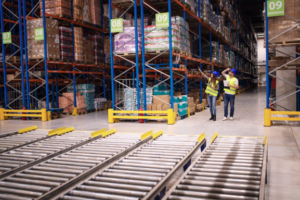
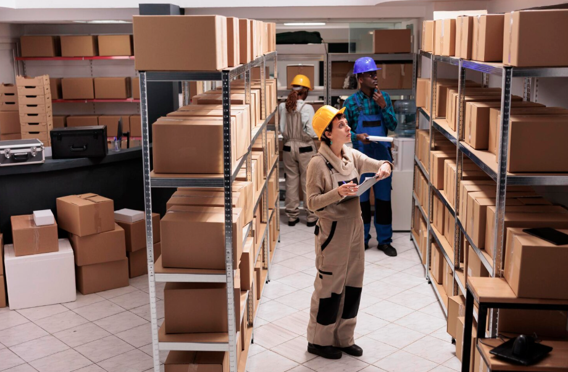
Professional warehouse operations use organized storage layouts based on product demand and movement patterns. Fast-moving items are placed in areas that are easy to access. Products with lower demand are stored in locations that maximize available space. This organized setup helps reduce travel time inside the facility and keeps operations moving smoothly throughout the day.
Turning Inventory Data Into Daily Action
Successful inventory movement depends on accurate information. Warehouse teams need to know what products are available, where they are stored, and how quickly they are moving.
Modern warehousing operations use inventory tracking systems that provide real-time visibility. This allows businesses to monitor stock levels and identify trends before they become problems. Clear inventory data helps prevent shortages, reduces excess stock, and supports better purchasing decisions. Accurate information helps products move at the right pace rather than sitting unused for long periods.
Speed Starts Long Before Shipping
Many people think efficiency begins once an order arrives. In reality, efficient movement starts at the receiving stage.
Products entering the warehouse are inspected, counted, and assigned proper storage locations. This process helps maintain inventory accuracy from the beginning. Proper receiving procedures reduce future issues and make products easier to locate later. A strong foundation at the receiving stage helps support faster fulfillment across the entire operation.
Removing Delays Between Storage and Shipping
Inventory movement slows down if products remain in storage longer than necessary. Effective warehouse management focuses on reducing delays between receiving, storage, picking, packing, and shipping.
Warehouse teams follow established workflows that guide products through each stage efficiently. Clear procedures help reduce waiting time and improve order processing speed. The result is a smoother path from warehouse shelf to customer delivery.
Keeping Popular Products Within Reach
Not all products move at the same speed. Some items leave the warehouse every day, while others move less often.
Efficient warehousing services regularly review inventory activity and adjust storage locations as needed. Frequently ordered products remain easy to access, helping reduce picking time. This simple strategy improves productivity and supports faster order fulfillment without requiring more labor.
Better Inventory Rotation Protects Product Availability
Inventory rotation is a key part of warehouse management. Products should move through storage in a planned order to avoid aging stock and inventory imbalances.
Proper rotation methods help maintain inventory accuracy and improve product availability. Businesses can fulfill orders more consistently because stock remains organized and easy to track. This process helps prevent situations where products are available in the system but difficult to locate physically.
A Strong Warehouse Creates a Steady Flow
Efficient inventory movement is not the result of one process. It comes from several connected activities working together. Organized storage, accurate tracking, proper receiving, inventory rotation, and structured workflows all contribute to smoother operations.
A warehouse that focuses on movement rather than simple storage helps businesses improve service levels and operate more effectively. Faster inventory flow often leads to lower costs and stronger overall performance.
Ending Note:
At MTL Companies, our goal is to help businesses maintain efficient inventory flow through reliable storage, accurate tracking, organized product handling, and streamlined warehouse operations. Unlike many warehousing companies, we focus on creating systems that help products move smoothly from arrival to shipment. Our team works closely with clients to support inventory control, order readiness, and long-term operational success.
Looking for a better way to keep inventory organized and moving efficiently? Contact MTL Companies today to learn how our storage and warehousing solutions can improve product flow, support business growth, and help your operation run more smoothly every day.
FAQs:
1. Why is inventory movement important in warehouse operations?
Inventory movement helps products reach customers faster, reduces storage delays, improves stock accuracy, and supports efficient daily operations across the supply chain.
2. How do storage and warehousing services improve order fulfillment?
Storage and warehousing services organize products properly, reduce picking time, improve inventory visibility, and help orders move quickly from storage to shipment.
3. What causes inventory delays inside a warehouse?
Poor organization, inaccurate stock records, inefficient storage layouts, and slow receiving processes can create delays that affect inventory flow and order fulfillment.
4. How does inventory tracking support warehouse efficiency?
Inventory tracking provides accurate stock information, helps prevent shortages, reduces excess inventory, and allows businesses to make better inventory decisions.
5. How can MTL Companies help improve inventory flow?
At MTL Companies, we use organized storage systems, accurate inventory management, and efficient warehouse processes to help products move smoothly through every stage.