
Summary: Warehouse services support smooth logistics flow by organizing goods from entry to delivery. The blog explains storage zoning, real-time tracking, order processing steps, transport coordination, and error reduction systems. It also shows how structured handling improves speed, clarity, and control across operations. The content highlights how warehouses support business growth through better stock flow and delivery accuracy.
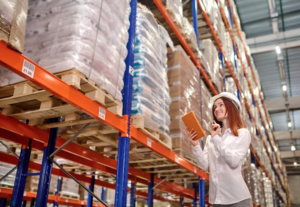
Warehouse services are not just places to keep goods. They are control points where products enter, get checked, and then move forward in an organized way. Warehouse services in the NW Suburbs of Minneapolis help turn mixed incoming goods into clean, tracked stock that can move through the supply chain without confusion. Every item is recorded as soon as it arrives. It is given a place and stored in a fixed spot. This simple step helps avoid mistakes later in transport and delivery. If this first step is not clear, the rest of the process becomes slow and messy. A strong start in the warehouse helps every next step stay smooth.
Smart storage areas that save time inside the warehouse
Warehouses are divided into simple zones. These zones are based on how often items are needed. Items that are used often are kept near packing and shipping areas. Items used less are kept farther away. This setup helps workers move less and finish work faster. It also reduces confusion because everything has a fixed place. When storage is arranged in a smart way, the whole system becomes faster without adding extra effort. It also helps new workers understand the space quickly since each zone follows a clear logic that does not change often.
Simple order steps that keep work moving without delay
Orders inside warehouses follow simple steps. Each order goes through picking, checking, packing, and sending. These steps are always the same, so workers do not get confused. Because the process is clear, orders move faster and do not stop in the middle. This helps keep work steady even when many orders come at the same time. It also reduces pressure on staff because they follow one clear method instead of different ways for each order.
Clear movement path from storage to transport
Warehouse services also connect storage with transport in a simple way. Once orders are ready, they are grouped based on where they need to go. This makes loading trucks easier because items going to the same area are kept together. It also reduces delays because everything is already sorted before shipping starts. This step helps trucks leave on time and reduces waiting at loading points, which keeps the full supply chain moving smoothly.
Handling busy and slow days without confusion
Order numbers change from day to day. Sometimes it is busy, and sometimes it is slow. Warehouse systems are built to handle both situations. When orders are high, work is spread across different areas. When orders are low, work becomes simple but still organized. This helps keep everything stable without breaking the system. It also keeps workers balanced, so no one area becomes too crowded or too slow.
Fewer mistakes because every step is checked
Mistakes can happen if the work is not checked properly. Warehouse systems reduce this by adding simple checks at every step. Items are scanned when they enter, when they are picked, and when they are packed. This helps make sure the right item goes to the right place. It keeps the whole process clean and correct. It also builds trust in the system because each step has proof of action recorded clearly.
Easy visibility so teams always know what is happening.
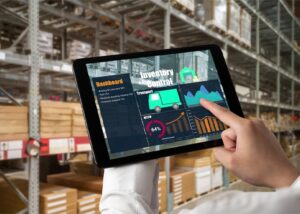
Warehouse systems show clear updates about what is going on. Teams can see what is stored, what is being packed, and what is ready to ship. This removes confusion because everyone works with the same information. It also helps teams make faster decisions without waiting for updates. Better visibility also reduces mistakes because everyone follows the same real-time data instead of guessing or using old notes.
Better flow control that supports long-term growth
Warehouse services do more than daily handling. They also support long-term business growth by keeping the flow steady. As order numbers grow, systems adjust without breaking structure. This helps businesses handle more work without losing control. A strong warehouse system also makes it easier to add new products or new customers because the base system stays the same and only scales in size.
Closing Note:
Warehouse services are important because they keep goods organized, tracked, and moving in a simple flow. They help reduce mistakes, speed up work, and keep everything clear from storage to delivery. At MTL Companies, we support smooth logistics systems that make daily operations easier to manage. Our warehouse storage solutions in Dayton, MN, help businesses keep control of stock, simplify movement, and improve overall logistics flow in a clear and steady way while supporting long-term operational growth.
If your business faces confusion in stock handling or delays in order movement, a structured warehouse system can help make work simple, clear, and more controlled from start to finish.
FAQs:
1. What role do warehouse services play in logistics?
Warehouse services organize goods, track inventory, and manage order flow. They create a structured system that supports smooth movement from storage to delivery without confusion or delays.
2. How does storage zoning improve warehouse work?
Storage zoning places fast-moving items near dispatch and slow items farther away. This reduces walking time, speeds up picking, and improves daily work efficiency.
3. Why is real-time tracking important in warehouses?
Real-time tracking updates the stock instantly after every movement. It helps teams know exact inventory levels and prevents errors in order planning and product availability.
4. How do warehouses reduce order mistakes?
Warehouses use step-by-step scanning during entry, picking, and packing. These checks ensure correct items are sent, reducing wrong shipments and missing product issues.
5. How do warehouses support delivery speed?
Warehouses group orders based on delivery locations and prepare shipments in advance. This makes truck loading faster and helps maintain steady delivery schedules.