Summary: Food warehousing requires clean facilities, suitable storage conditions, accurate records, pest control, stock rotation, and careful product handling. Businesses need to review temperature controls, sanitation, receiving procedures, inventory tracking, batch records, order preparation, returns, and shipment coordination before selecting a warehouse. Proper processes help protect food quality, reduce storage errors, improve stock visibility, and support reliable fulfillment.
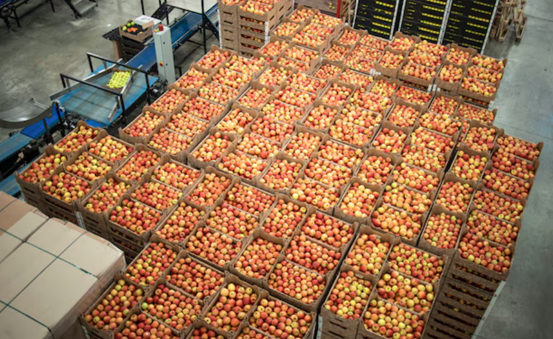
Food products need careful storage from the moment they arrive until they leave for delivery. Warehousing for food in Dayton, MN should provide clean storage areas, proper product handling, clear stock records, and safe loading practices. Businesses should also check how a warehouse manages temperature needs, product rotation, sanitation, pest control, and shipment records. These factors can help protect product quality and support steady order fulfillment. The facility should also have trained staff who understand food storage needs. A clear process helps each product move through the facility with less risk of damage, loss, or delay.
Why Does Food Storage Need Extra Care?
Food can be affected by heat, moisture, poor handling, and long storage periods. A warehouse must have procedures that match the type of goods it stores. Dry products, chilled items, and frozen goods can have very different storage needs.
A suitable facility should have clear rules for receiving, storing, moving, and shipping food. Staff should understand these procedures and follow them during daily work. Good storage practices help reduce product damage and keep goods in suitable conditions. The storage area should also provide enough room for safe movement and easy product access. Crowded shelves can make it harder for workers to find items or move cartons safely.
Which Storage Conditions Matter Most?
Temperature control is a key concern for many food products. Chilled and frozen goods need storage areas that can maintain suitable temperature ranges. Dry goods need protection from moisture and excess heat.
Businesses should ask how temperature is checked and recorded. They should also understand what staff do if storage conditions move outside the required range. Clear records can help identify issues and support better product control. Storage equipment should also receive regular checks so staff can spot faults early. Doors, coolers, freezers, and other storage areas need proper care to keep products in the right condition.
How Does Clean Storage Protect Food Products?
Clean storage areas help reduce risks linked to dirt, spills, pests, and poor handling. Floors, shelves, loading areas, and equipment should be kept in good condition. Food should also be stored away from materials that could cause contamination.
A warehouse should have a clear cleaning schedule. Staff need simple instructions for handling spills and damaged packages. Regular inspections can help find storage problems before they affect other products. Waste should be removed from storage areas in a timely way. Broken cartons or leaking containers should also be separated from usable stock. These basic steps help keep the facility orderly and protect stored goods.
What Should Businesses Know About Pest Control?
Pests can damage food packaging and create serious storage concerns. A warehouse should have a documented pest control program and routine inspections. Doors, walls, storage areas, and loading points should be checked for possible entry points.
Businesses should also ask how pest activity is recorded and handled. Proper records provide useful evidence that inspections are being completed. Fast action can help limit the effect of a pest issue on stored goods. Storage areas should also stay free from food debris and standing water. Regular checks around entry points can help staff identify areas that need attention.
Why Is Stock Rotation Important?
Food products often have use-by or best before dates. Poor stock rotation can leave older goods sitting behind newer stock. This can increase the chance of expired or unsellable products.
Warehouse teams can use stock rotation methods such as first in, first out. Date checks can also be part of regular inventory work. Clear product labels help staff identify older stock and select the right goods for each order. Some products may need closer date monitoring based on their shelf life. A good rotation process helps staff send suitable stock first and keeps storage records easier to manage.
How Can Accurate Records Improve Food Warehousing?
A food warehouse should maintain clear records for received goods, stored quantities, product locations, shipments, returns, and damaged items. Accurate information helps staff locate products and prepare orders correctly.
Lot or batch details can also help businesses trace products through warehouse activity. This information may be useful for stock reviews, customer questions, or product withdrawal procedures. Strong records give managers better control over the goods stored at the facility. Digital records can also make it easier to review product movement and identify stock differences. Each receipt and shipment should be linked to clear product information.
What Should Businesses Check Before Choosing a Warehouse?
A business should review the facility, storage conditions, handling procedures, security, inventory controls, loading process, and staff practices before selecting a warehouse. The facility should have enough space for the products and support the required storage conditions.
Businesses should also ask about receiving schedules, order preparation, product inspection, damaged goods, returns, and shipment coordination. Clear communication is useful because food orders often require careful timing and accurate handling. It is also useful to review how the facility manages records and reports. Businesses should understand who handles stock checks and who communicates any storage issues. A clear service process can make warehouse coordination much easier.
Closing Thoughts:
Our team at MTL Companies provides practical food logistics and warehouse services built around product storage, inventory control, order handling, and shipment needs. Our team works with clear warehouse procedures to help businesses manage food products through receiving, storage, picking, packing, and dispatch. We focus on organized handling, accurate records, and suitable storage practices for each operation. Our approach also supports clear communication across receiving, storage, fulfillment, and shipping tasks. This helps businesses maintain better control over their products throughout the warehouse process.
Contact MTL Companies today to discuss your food warehousing needs and build a storage and fulfillment plan that fits your products.
FAQs:
- What should businesses check in a food warehouse?
Review storage conditions, cleanliness, pest control, inventory records, product handling, stock rotation, receiving procedures, security, and shipment processes before selecting a facility.
- Why is temperature control important for food storage?
Suitable temperatures help protect food quality. Businesses should confirm monitoring methods, required ranges, equipment checks, and response procedures for temperature problems.
- How does stock rotation help food warehouses?
Stock rotation helps staff move older products first. Clear dates and labels can reduce expired goods and improve inventory control.
- Why are batch records useful in food warehousing?
Batch records help trace products through storage and shipping. They can support stock reviews, customer questions, and product withdrawal procedures.
- How can clean warehouse practices protect food products?
Regular cleaning, spill control, waste removal, inspections, and proper storage can help reduce contamination risks and keep food handling areas orderly.